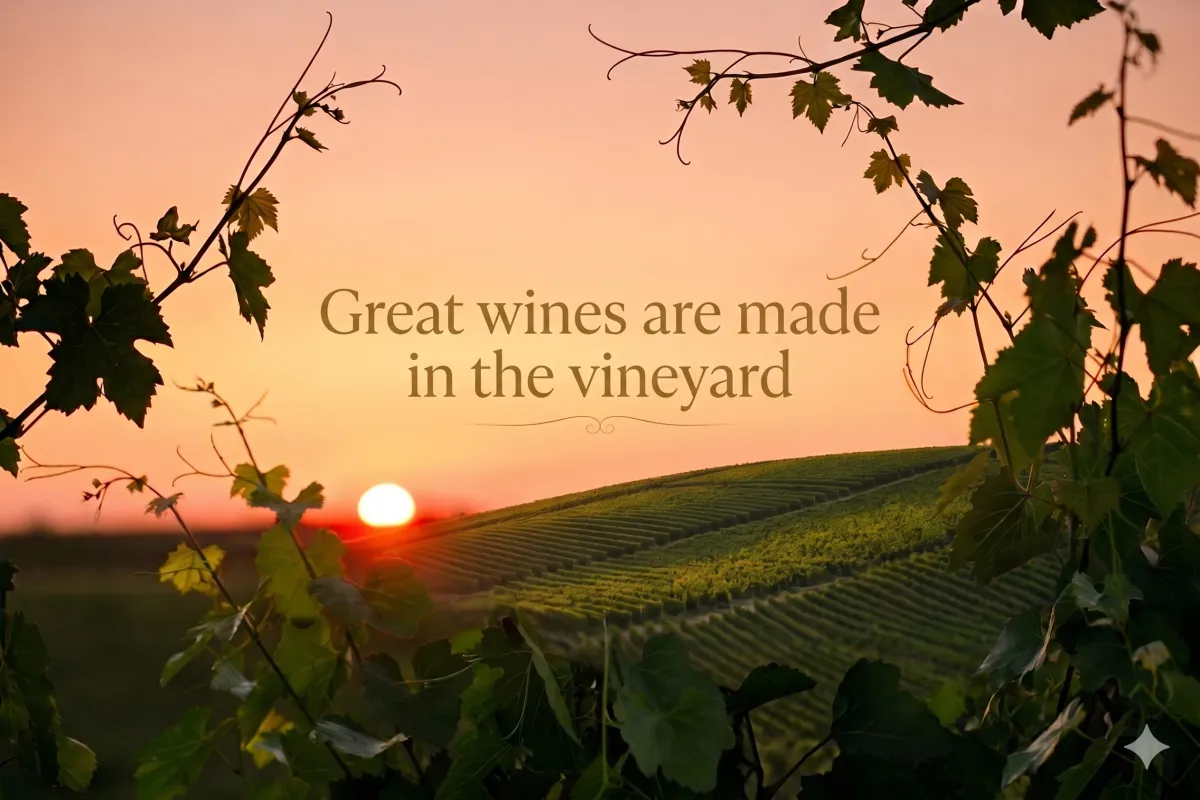
Great Wine Is Made in the Vineyard, Not in the Winery
Understanding the True Role of the Winemaker
Many people imagine a winemaker as a magician working inside a cellar, blending ingredients, making adjustments, and somehow transforming ordinary grapes into extraordinary wine.
The reality is very different.
The greatest wines are not created in a laboratory, nor are they engineered through endless interventions in the winery. Great wine begins long before harvest. It is born in the vineyard, where the vine, the soil, the climate, and the growing season come together to shape the character of the grapes.
A truly skilled winemaker understands that their most important work happens among the vines, not among the tanks.
Wine Is a Living Expression of Nature
Wine is unlike any other agricultural product. Every vintage is unique because every growing season is unique.
The amount of sunshine, rainfall, temperature variations, soil composition, elevation, and vineyard exposure all influence how grapes develop. These natural factors determine the aromas, flavors, structure, and personality that will eventually be found in the bottle.
For this reason, wine should not be viewed as something that is manufactured. Instead, it should be seen as a living expression of a place and a moment in time.
The vineyard writes the story. The winery simply helps preserve it.
The Winemaker as a Guide, Not a Creator
One of the most common misconceptions in the wine world is that the winemaker "makes" the flavors of a wine.
In reality, the flavors already exist within the grapes.
The role of the winemaker is not to create flavors that are missing, but to protect and reveal the flavors that nature has already provided.
A great winemaker acts more like a guide than a creator. Their responsibility is to accompany the grapes throughout the winemaking journey while interfering as little as possible.
This philosophy requires patience, humility, and trust in the vineyard.
Rather than asking, "What can I add to this wine?" the best winemakers ask, "How can I preserve what the vineyard has already given me?"
Quality Is Built in the Vineyard
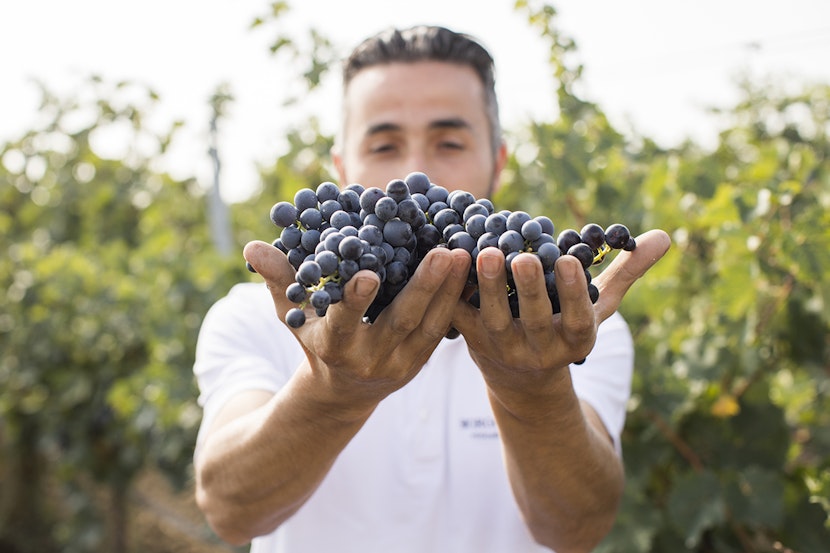
No amount of technology can compensate for poor fruit.
A grape harvested at the wrong moment, grown in unhealthy soils, or produced from an unbalanced vineyard can never become a truly great wine.
This is why vineyard management is so critical. Decisions regarding pruning, canopy management, water availability, crop load, and harvest timing all directly influence wine quality.
The finest wines in the world are often the result of countless small decisions made throughout the growing season.
When harvest arrives, much of the work has already been done.
Less Intervention, More Authenticity
Modern winemaking technology offers countless tools and additives that can alter a wine's flavor, texture, color, and aroma.
While some interventions may be necessary in specific situations, excessive manipulation often moves wine further away from its natural identity.
A growing number of respected winemakers embrace a philosophy of minimal intervention. Their goal is not to impose a style on the wine but to allow the vineyard to speak clearly.
This approach recognizes that authenticity comes from preserving natural aromas, maintaining freshness, and respecting the unique characteristics of each vintage.
The less a wine is manipulated, the more honestly it reflects its origin.
Protecting What Nature Has Written
The winery remains an essential part of the process, but its purpose is often misunderstood.
The cellar should not be a place where wine is transformed into something else. It should be a place where the quality achieved in the vineyard is protected.
Temperature control, careful fermentation management, appropriate aging, and gentle handling all serve a single purpose: preserving the expression of the grapes.
The best winemaking is often invisible.
When a wine tastes balanced, vibrant, and authentic, it is usually because the winemaker knew when not to intervene.
Wine as a Reflection of Place
Every great bottle should tell a story.
Not the story of technology.
Not the story of additives.
Not the story of manipulation.
The story of a vineyard.
The story of a season.
The story of a place.
This is the true beauty of wine. It allows us to experience a landscape, a climate, and a culture through a single glass.
When winemakers respect nature and allow the vineyard to lead the process, wine becomes more than a beverage. It becomes a genuine expression of terroir and a living connection between people and the land.
Our Summer Selection: CalaRosa Nero di Troia Rosé
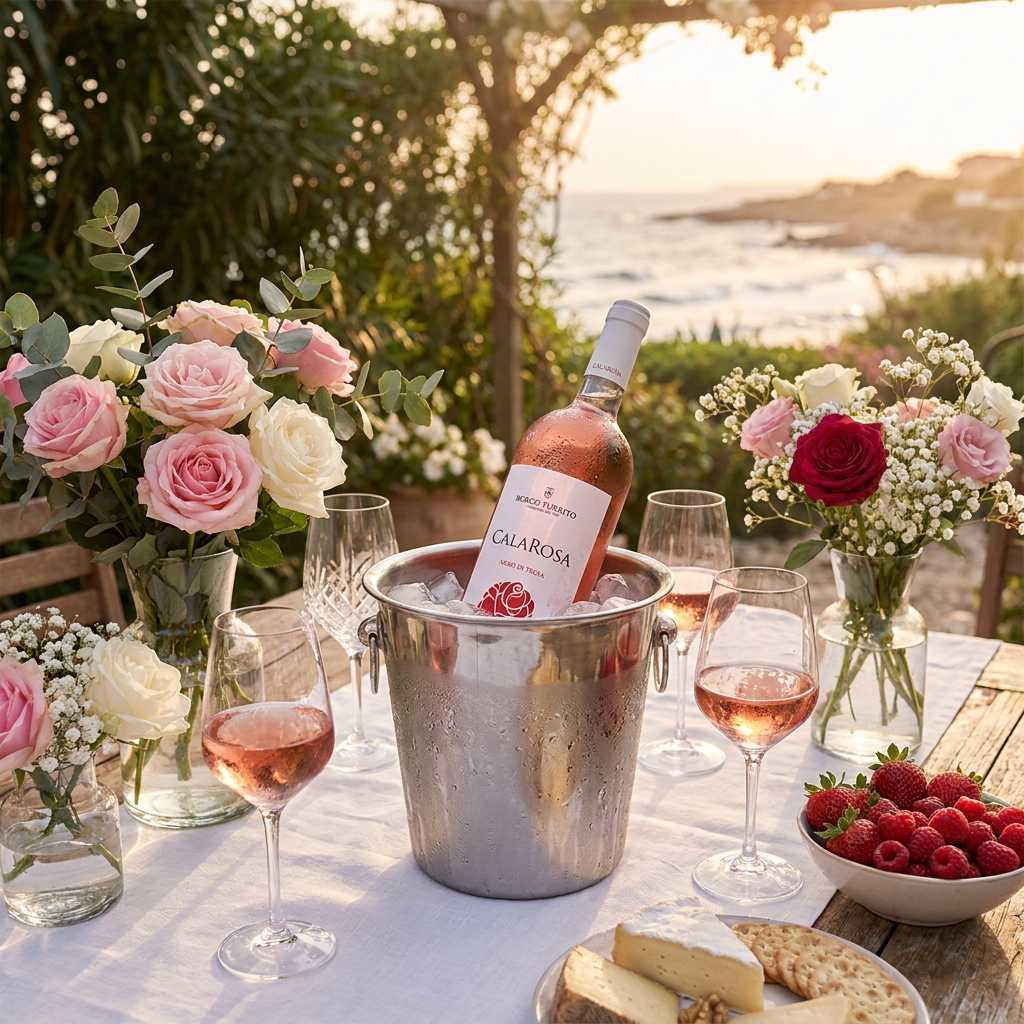
If great wine begins in the vineyard, then CalaRosa is a perfect example of how a winemaker can respectfully accompany nature rather than reshape it.
Made from carefully selected Nero di Troia grapes grown in the sun-drenched vineyards of Puglia, CalaRosa expresses everything that makes this historic Southern Italian grape variety unique. Rather than relying on winemaking tricks or heavy intervention, the wine showcases the natural character that developed on the vine throughout the growing season.
The result is a rosé that immediately transports you to the Mediterranean.
On the nose, CalaRosa reveals delicate floral aromas reminiscent of fresh rose petals and spring blossoms. These elegant notes are complemented by vibrant hints of sour cherry and refreshing citrus, creating a bouquet that is both expressive and inviting.
On the palate, the wine is soft, smooth, and beautifully balanced. Its natural freshness and lively acidity provide energy and lift, while a distinct mineral salinity reflects the influence of Puglia's unique terroir. Every element feels harmonious, allowing the grape and the vineyard to remain the true protagonists.
CalaRosa is also one of the most versatile food wines of the season. Its freshness and vibrant character make it a natural companion to Mediterranean cuisine. Enjoy it alongside grilled octopus, tuna tartare, Caprese salad, vegetable-based pasta dishes, sushi, charcuterie boards, or a simple summer picnic with friends. Whether served at a casual lunch or an elegant dinner, CalaRosa adapts effortlessly.
More than just a refreshing rosé, CalaRosa tells a story. It is the story of Puglia's vineyards, of a grape variety deeply rooted in local tradition, and of a philosophy that believes wine should reflect the land from which it comes.
As temperatures rise and outdoor gatherings become part of everyday life, CalaRosa is our featured wine for the season. Bright, floral, refreshing, and unmistakably Italian, it captures everything we love about authentic winemaking: allowing the vineyard to speak, one glass at a time.
Try the Wine, 24hr Shipping:
Calarosa Rose, Nero Di Troia
Borgo Turrito
Final Thoughts
The next time you enjoy a glass of wine, remember that its journey did not begin in a barrel or a fermentation tank.
It began in the vineyard.
The sun, the soil, the vine, and the growing season created the raw material. The winemaker's role was simply to accompany that fruit, protect its integrity, and guide it gently toward becoming wine.
Because in the end, great wine is not made in the winery.
Great wine is made in the vineyard.
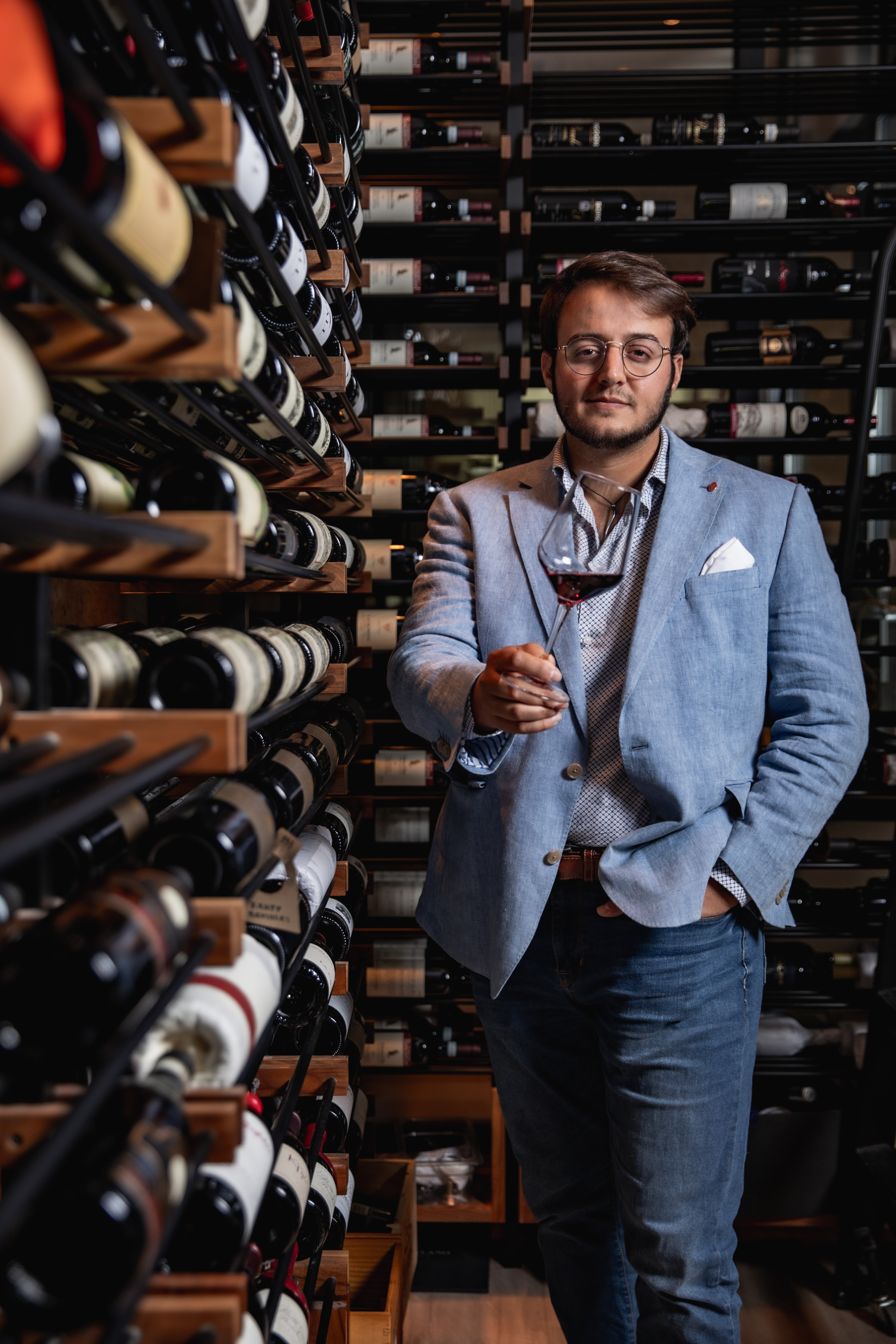
Tonight, I’ll probably open something simple. Maybe from the south.
Something that reminds me why I started doing this in the first place.