
We’ve All Heard Them Called “Dry.” But What Does That Really Mean?
Tannins, Texture, and Truth. A Winemaker’s Take
By Aldo, Winemaker, Above Wines
One of the questions I hear most in the tasting room is this: “Why does this wine feel dry on my tongue?” Not dry as in “no sugar” — but that gentle grip, that textured, mouth‑coating sensation.
What you’re feeling are tannins. And as a winemaker, I consider tannins one of the most honest and fascinating parts of wine.
Let’s talk about what tannins really are, where they come from, what they do in wine and in nature, and why they matter so much in the style of wines we make at Above Wines.
What Are Tannins, Really?
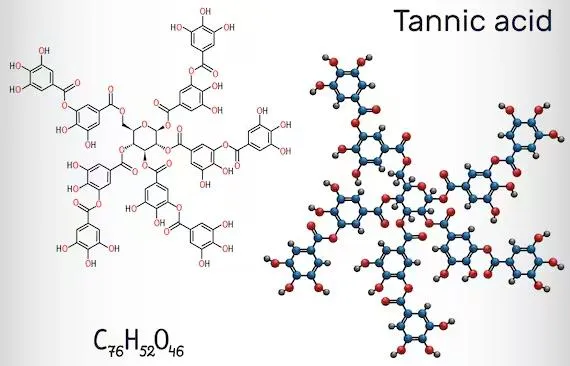
Tannins are natural compounds found in many plants. Chemically, they belong to a family called polyphenols — large, complex molecules that love to bind to proteins.
That’s important because when tannins meet the proteins in your saliva, they bind to them and make them insoluble. That’s what causes that classic astringent sensation — the feeling that your mouth is suddenly drier, rougher, more textured.
If you’ve ever bitten into an unripe banana, a young persimmon, or tasted a bold red wine and felt your tongue tighten a little, you’ve met tannins.
Where Tannins Come From in Nature (and in Wine)
In nature, tannins are part of a plant’s defense system. They’re found in:
Grape skins, seeds, and stems
Tree bark (oak, chestnut, acacia)
Tea leaves, coffee, cocoa
Pomegranates, berries, persimmons
Plants use tannins as protection — against insects, fungi, herbivores, and even harsh climate conditions. It’s like a built‑in shield.
In grapes, tannins are especially concentrated in the skins and seeds, and that’s where wine gets them from. When we ferment red wine, we keep the juice in contact with the skins. The longer and more carefully we manage that contact, the more tannin is extracted.
Then comes aging. When a wine rests in oak barrels, it also absorbs oak tannins, which add structure and complexity over time.
Tannins in Wine: Why They Matter
Tannins are not just about mouthfeel. They play a huge role in:
Structure – they give wine its backbone
Aging potential – tannins protect wine from oxidation
Balance – they interact with acidity, alcohol, and fruit
Food pairing – they love protein and fat
Young tannins can feel firm or grippy. With time, they soften, round out, and become silky. This is why some wines are built to be enjoyed immediately, and others are made to evolve for years.
At Above Wines, I’m always looking for tannins that feel present but refined — never harsh, never aggressive, always in service of balance.
A Word on Tannins and Health
Tannins also have strong antioxidant and anti‑inflammatory properties. They’re part of what makes wine, tea, and dark chocolate interesting not just to drink and eat — but to study.
Like everything, moderation is key. Too many tannins can interfere with iron absorption and cause digestive discomfort in sensitive people. But in balanced amounts, they’re part of a rich, complex, and thoughtful diet.
Just like wine itself.
From Theory to the Glass: Crete del Falco
If you want to understand tannins the way I think about them — not as chemistry, but as experience — pour a glass of our Crete del Falco Blend.
This bold Calabrian red brings together Gaglioppo (55%) with Cabernet Franc, Cabernet Sauvignon, and Merlot. Gaglioppo gives us structure and soul. The Cabernets add grip and depth. Merlot brings softness and flow.
The result is a wine with:
Refined, layered tannins
A warm, velvety palate
A long, smooth finish
This is a wine where tannins don’t dominate — they support. They frame the fruit, lift the spice, and make the wine incredibly food‑friendly.
Final Thought
Tannins are not something to be afraid of. They’re something to understand.
They are the texture of wine.
The architecture of red.
The reason a bottle can grow, evolve, and tell a longer story.
If you want to taste that story, start with Crete del Falco.
Our Case Promo: Taste the Structure
Right now, we’re running a special case promotion on Crete del Falco — and it’s one of the best ways to experience how tannins work across time and meals.
With a case, you don’t just drink the wine — you live with it:
One bottle with a steak
One with aged cheese
One on a quiet night when you just want something serious in your glass
Tannins shine when you give them context. Food. Time. Conversation.
Try the Wine: