What If You Could Read a Wine Like a Winemaker?
Why We Look at the Science Before We Listen to the Story
One thing that makes Above Wines different is that we don't sell wines based on stories we've heard. We don't rely on marketing scripts, fancy labels, or romantic tales designed to convince you to buy a bottle.
Of course, every winery has a story, and we love sharing the culture, history, and traditions behind our producers. But before we tell those stories, we verify the quality.
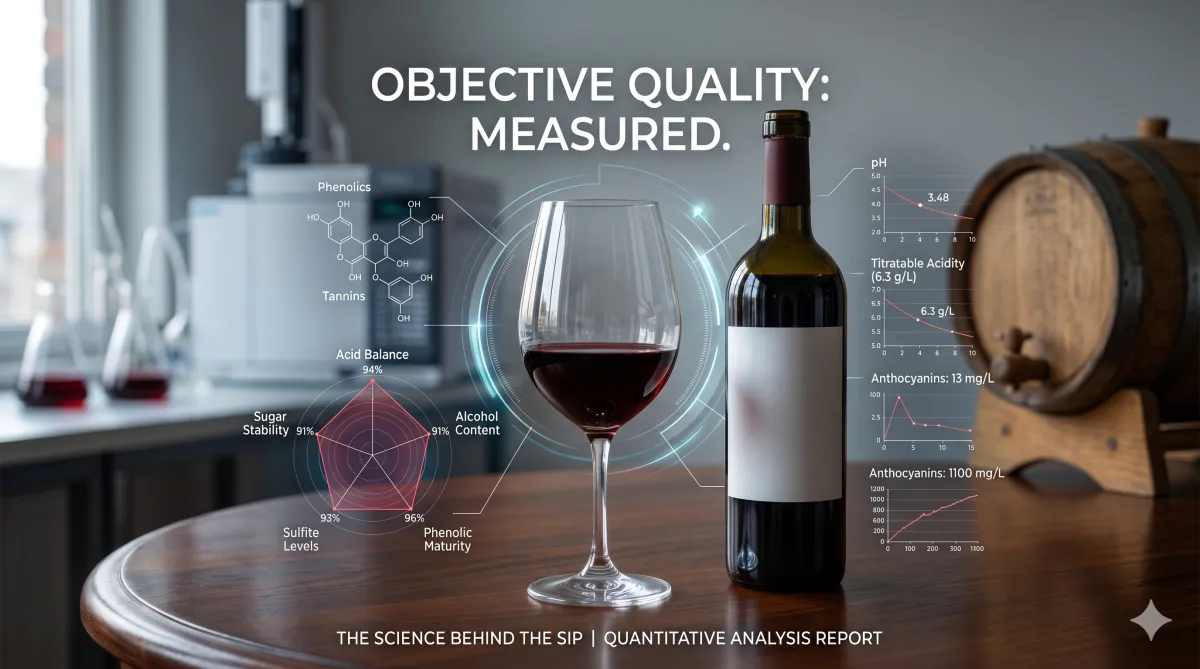
As a winemaker, I was trained to evaluate a wine long before it reaches the glass. In fact, before I even taste a wine, I want to see its chemical analysis. Those numbers tell me how the wine was made, how healthy the grapes were, how carefully the fermentation was managed, and whether the winery truly respects quality standards.
Many people choose wines based on ratings, packaging, or marketing. We choose wines based on science first and sensory evaluation second.
By studying parameters such as alcohol, acidity, volatile acidity, residual sugar, dry extract, and sulfite levels, we can identify whether a wine is exceptional, average, or simply not worthy of representing our portfolio. These analyses reveal things that no label, salesperson, or tasting note can tell you.
This is one of the greatest advantages of having a winemaker as a founder. We don't just taste wines—we understand them. We evaluate them from the vineyard to the laboratory to the bottle.
Only after a wine passes our technical standards do we ask the next question: "Does it tell the story of its region, its grape, and its people?"
That's why every wine we import has been selected through both science and passion. The story matters, but quality comes first.
Today, we'd like to take you behind the curtain and show you something that most consumers never see: the actual laboratory analysis of one of our wines and what those numbers tell us about the quality inside the bottle.
What If You Could Read a Wine Like a Winemaker?
Most people judge a wine by its label, price, or tasting notes.
As a winemaker, I look at something very different first: the laboratory analysis.
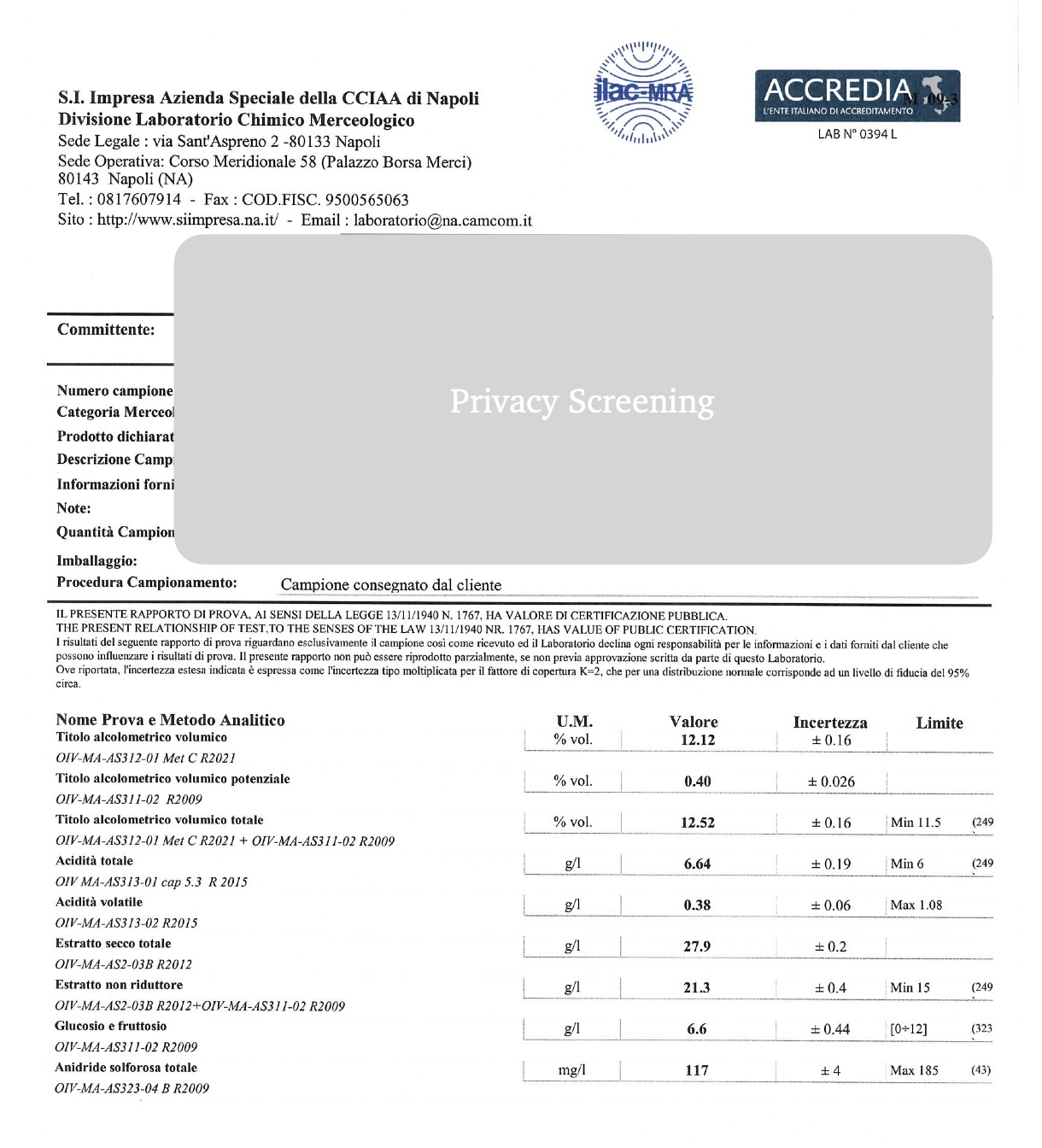
Before any wine can be bottled and legally sold in Italy, it must undergo a complete chemical analysis approved by the government. This isn't marketing. It's science. And it tells us the true story of what's inside the bottle.
Today, I'm sharing a real analysis from one of our sparkling wines.
Alcohol: More Than Just a Number
The first parameter is alcohol by volume (ABV). In this case, the wine measures 12.12% alcohol.
Italian law allows a small variation of about ±0.5%, which means a bottle labeled 12% could legally be slightly above or below that figure. Precision matters because alcohol affects body, balance, and how the wine feels on the palate.
Acidity: The Backbone of Freshness
One of the most important quality indicators is total acidity, measured in grams per liter.
Acidity is what makes a wine feel fresh, vibrant, and alive.
For red wines, values above 6–6.5 g/L can sometimes become too sharp. For sparkling wines, rosés, and many white wines, higher acidity is often desirable because it creates crispness and energy.
Without acidity, wine feels flat. With the right acidity, wine becomes refreshing and food-friendly.
The Hidden Enemy: Volatile Acidity
Another critical measurement is volatile acidity.
This tells us how well the winery protected the wine from oxygen during fermentation and aging. High volatile acidity often indicates poor cellar practices and can create aromas similar to vinegar.
The legal limit is 1.2 g/L, but most trained tasters can detect the character long before reaching that level.
For serious wineries, keeping volatile acidity low is a sign of precision and quality.
What Creates Body?
The analysis also measures dry extract, which represents the solid compounds dissolved in the wine.
Generally speaking, the higher the dry extract, the more texture, structure, and body you'll perceive in the glass.
It's one of the reasons some wines feel light and refreshing while others feel rich and powerful.
How Much Sugar Is Really There?
This sparkling wine contains 6.6 g/L of residual sugar, making it a Brut style.
While that may sound significant, it represents less than 1% of the wine and is balanced by acidity. The result is not a sweet wine, but a sparkling wine with harmony and balance.
The Truth About Sulfites
Perhaps the most misunderstood number on any wine analysis is total sulfites.
In Italy, a sparkling wine cannot exceed 155 mg/L. This wine contains only 117 mg/L, well below the legal maximum.
Contrary to popular belief, quality wineries strive to use the lowest sulfite levels possible while still protecting the wine. Excessive sulfites are often a sign that the wine requires more intervention rather than less.
Wine Is Both Art and Science
When you open a bottle, you're experiencing much more than aromas and flavors. You're tasting chemistry, agriculture, fermentation, and generations of winemaking knowledge.
At Above Wines, we believe wine education should be transparent and accessible. That's why we regularly share behind-the-scenes insights that most consumers never get to see.
If you enjoy learning what truly makes a wine exceptional, visit our website, explore our portfolio of family-owned Italian wineries, and join our newsletter. Every bottle has a story, and we'd love to share it with you.
Because great wine isn't just something you drink.
It's something you understand.
Flegreo Falanghina Brut — Taste the Volcano
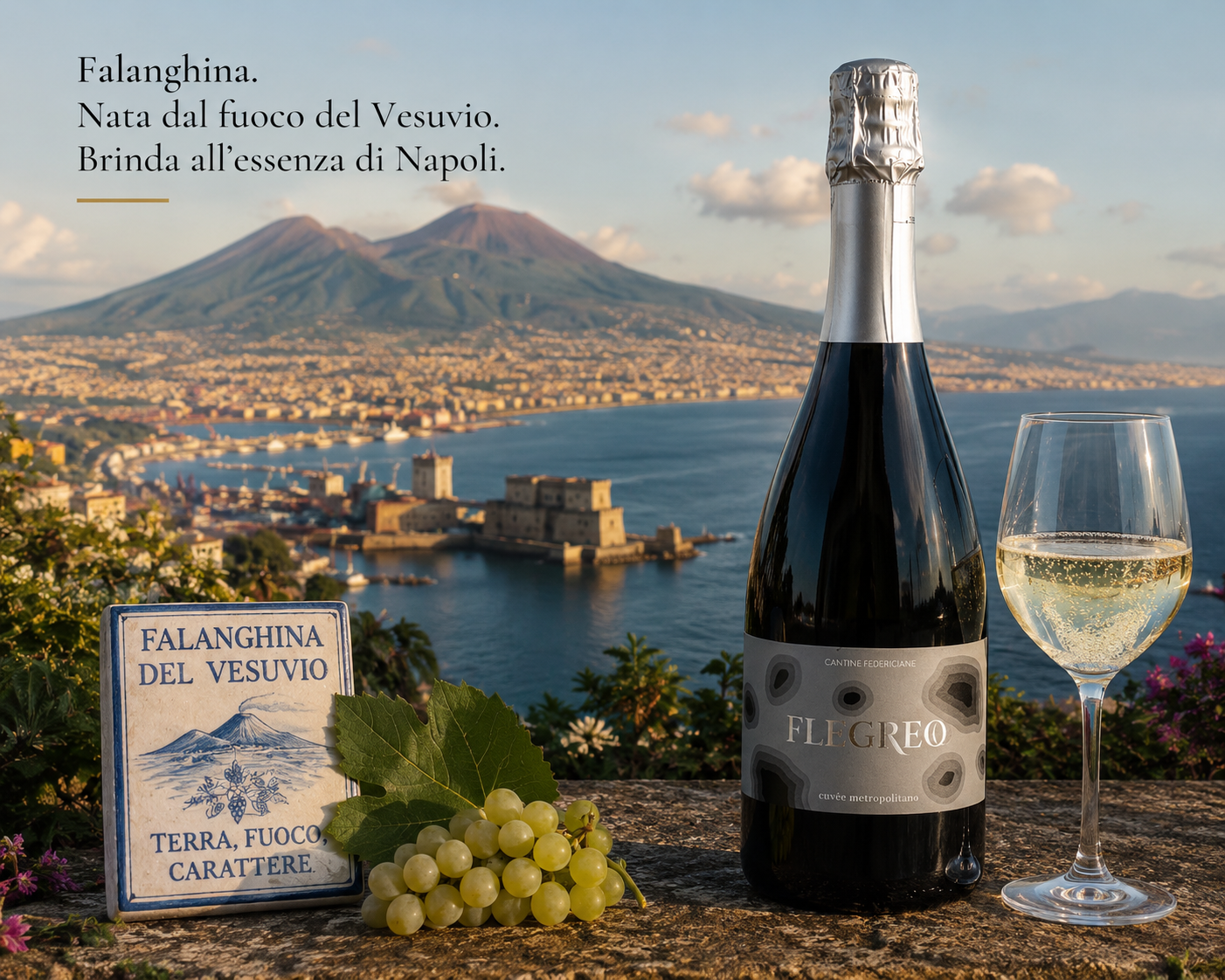
After reading about wine chemistry and quality analysis, it's worth highlighting a wine that excels not only in the laboratory but also in the glass.
Flegreo Falanghina Brut is one of the finest examples of what volcanic terroir can achieve. Grown on the ancient volcanic soils of Campi Flegrei, near Naples and the slopes of Mount Vesuvius, this sparkling wine is made from Falanghina grapes cultivated on rare ungrafted vines—a true treasure of Southern Italy.
Crafted using the Charmat Method and aged 12 months on the lees, Flegreo offers an elegant stream of fine bubbles, remarkable freshness, and a level of refinement rarely found outside Italy's most prestigious sparkling wines.
What makes this wine especially exciting is how its chemistry translates directly into your tasting experience. The vibrant acidity creates a crisp, refreshing profile. The low volatile acidity reflects meticulous winemaking. The balanced residual sugar allows the fruit to shine without sweetness. And the volcanic soils contribute a distinctive mineral character that lingers long after each sip.
Expect aromas and flavors of green apple, pear, citrus zest, and crushed volcanic stone, carried by a creamy mousse and a long, dry finish.
Whether you're enjoying fresh oysters, seafood crudo, buffalo mozzarella, or simply celebrating a special moment, Flegreo Brut delivers the elegance of a world-class sparkling wine while expressing the unmistakable character of Naples' volcanic landscape.
Ready to taste what volcanic terroir truly means? Have a bottle of Flegreo Falanghina Brut delivered directly to your door and discover why science, terroir, and craftsmanship come together so beautifully in every glass.
Because great wine shouldn't just be described—it should be experienced. 🍾🌋🍇
Try the Wine, 24hr Shipping:
FLEGREO, Prosecco Style Aged for 12 months
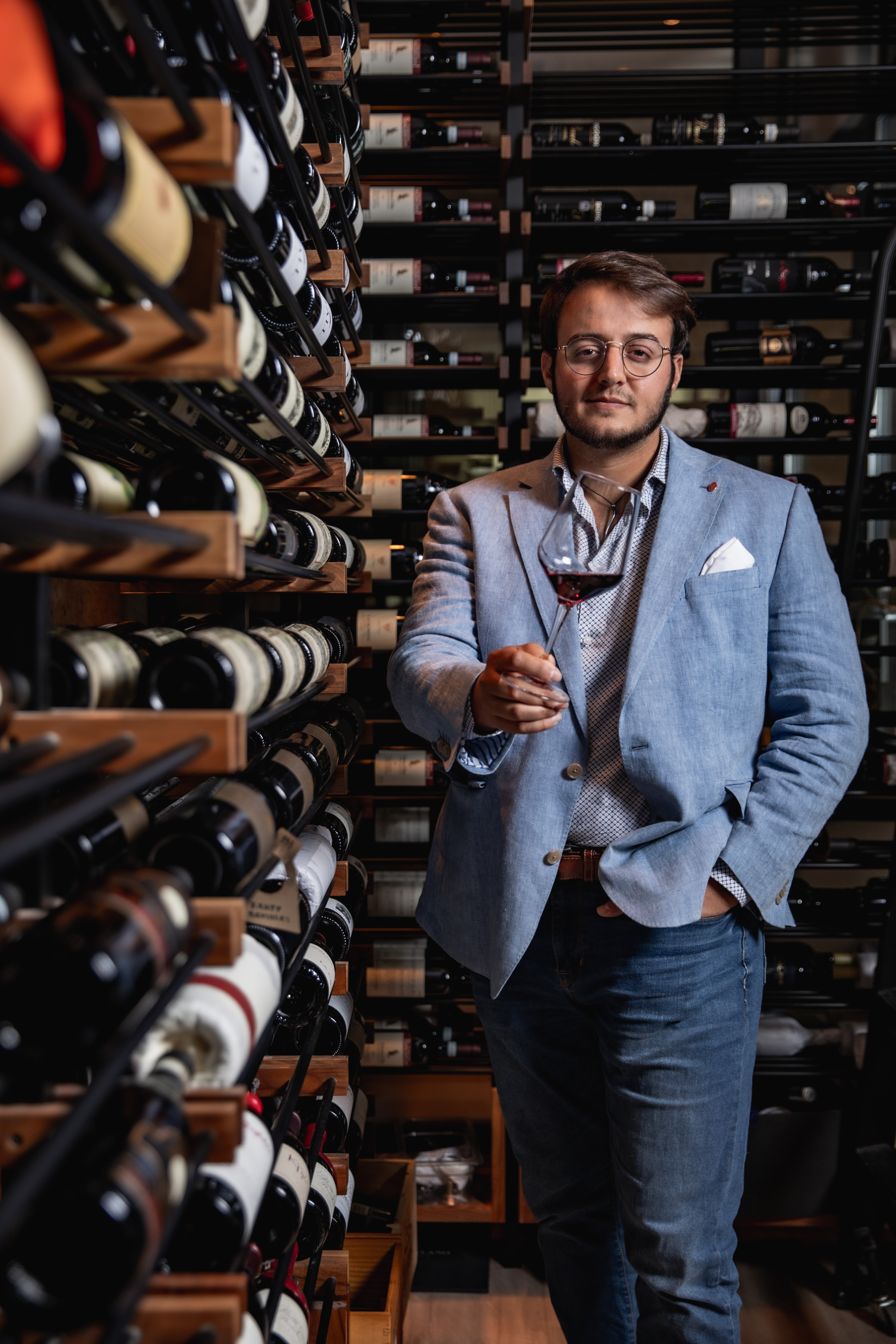
Tonight, I’ll probably open something simple. Maybe from the south.
Something that reminds me why I started doing this in the first place.