Why Classic Method Sparkling Wines Are More Expensive Than Prosecco
Why Classic Method Sparkling Wines Are More Expensive Than Prosecco
A Winemaker Explains How Champagne-Style Bubbles Get Their Unique Character
As we move deeper into the holiday season, many of you ask me about the difference between Prosecco-style bubbles and Champagne-style sparkling wines. In Italy, we call Champagne-style wines the “Classic Method”. The main reason they cost more? It’s all in how they’re made.
The Classic Method: Labor, Time, and Patience
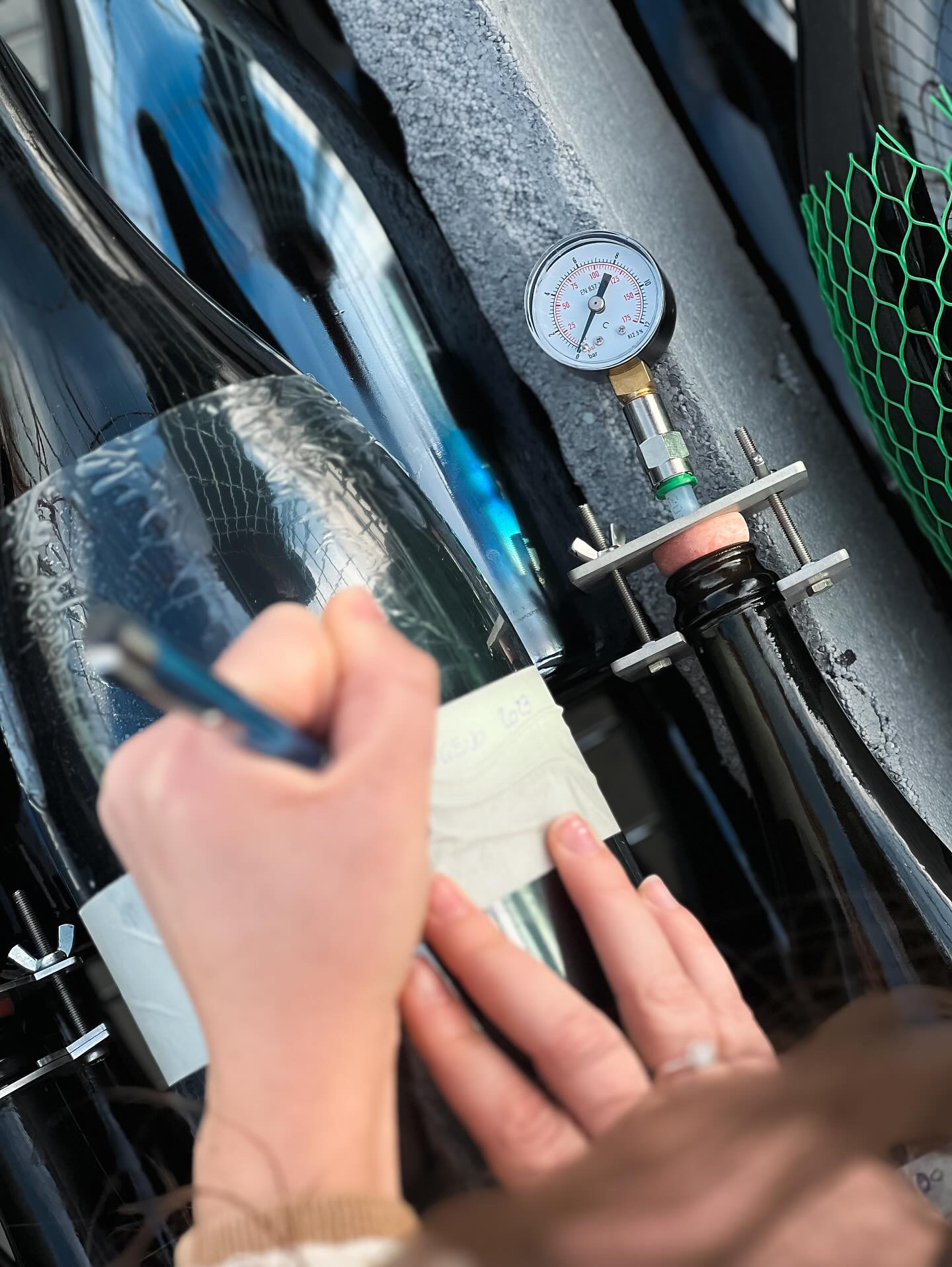
Unlike Prosecco, which is made quickly in tanks, a classic-method sparkling wine starts as a regular white or rosé wine that gets bottled and inoculated with a small amount of sugar and yeast. The bottle is then sealed with a crown cap, just like beer, and placed in the cellar at a carefully controlled temperature.
From here, patience becomes the key ingredient. The wine is left to rest and ferment in the bottle for 12, 18, 24, or even 30 months, depending on the style and desired complexity.
During this time, someone—either me or an assistant—rotates each bottle slightly every few days, slowly tilting it until, over months, the bottle ends up upside down. By the end of this process, all the yeast has collected in the neck of the bottle.
Disgorgement: Removing the Yeast
Once the yeast has settled, the next step is disgorgement. The crown cap is opened, and the pressure inside the bottle naturally shoots out all the yeast, leaving behind perfectly clear sparkling wine. The bottle is then topped up with a bit of wine to restore the correct volume, and finally sealed with a cork and the familiar “mushroom” cap.
Even though modern wineries often have machines to help, this classic-method process is incredibly labor-intensive. It’s also time-consuming: 24–30 months (or more) of careful handling and aging is typical.
Why Classic Method Wines Taste So Unique
All this time in contact with the yeast—called lees aging—gives classic-method wines their signature complexity:
Aromas: less fruity and citrusy, more yeasty, bready, nutty, and honeyed
Texture: smaller, finer bubbles
Flavor depth: richer, more layered, and longer-lasting on the palate
This is why a classic-method wine tastes so different from Prosecco: it’s more structured, more nuanced, and undeniably elegant, which is also why it commands a higher price.
Why I Love Classic Method Wines
For me, making or tasting a classic-method sparkling wine is about celebrating craftsmanship. Every bottle reflects months of patience, attention, and care—a true expression of winemaking art. It’s the wine I serve when I want a moment to feel truly special, when every sip deserves attention.
Spotlight: Calarosa Rosé Metodo Classico – Our Highest-End Classic Method Wine
If you want to experience the elegance of classic-method sparkling wine at its finest, let me introduce Calarosa Spumante Metodo Classico Rosé Brut. This wine embodies sophistication and Italian winemaking artistry in every bottle.
The first thing that captures you is its beautiful salmon-rose color with subtle bronzed reflections, accompanied by a fine and persistent perlage that sparkles invitingly in the glass.
On the nose, it’s a complex bouquet of delicate floral and fruity aromas: roses, hibiscus, juicy peaches, and the zesty brightness of pink grapefruit. A truly unique note comes from the rare “annurca” apple, a traditional Italian fruit that gives the wine crispness and freshness.
On the palate, Calarosa Rosé delivers intensity and balance, with a refined, vibrant texture and lively acidity that lifts every flavor. The finish is long, persistent, and unforgettable.
Perfect Pairings
Calarosa Rosé is incredibly versatile:
Raw seafood: oysters, shrimp, scallops
Delicate fish or meat carpaccio
Medium-aged cheeses
Red meat tartare, where acidity and fine bubbles elevate every bite
Whether celebrating a special occasion or enjoying a moment of indulgence, Calarosa Rosé elevates the experience. Each glass is a toast to refinement, passion, and the art of Italian winemaking.
Try the Wine: