
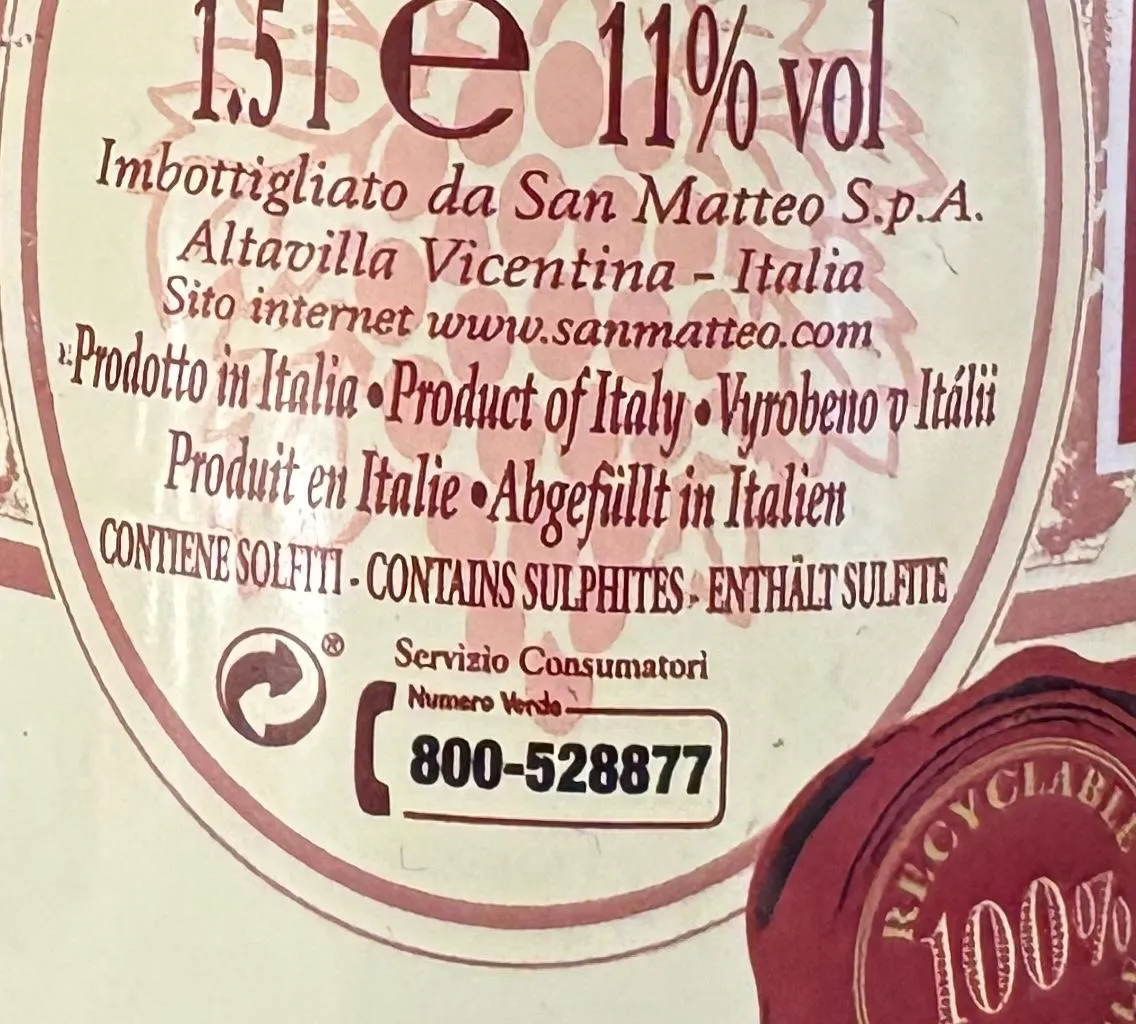
Contains Sulfites: Separating Myth from Reality
Sulfites in Wine: Myths, Science, and a Focus on Low-Sulfite Puglia Wines
As a winemaker, I often hear the same question from wine lovers: “Do sulfites in wine give me headaches?” It’s a common belief, and many people actively seek out wines labeled as “sulfite-free” in the hope of avoiding discomfort. Today, I want to share what science really says, what sulfites do in wine, and highlight a wine we craft with very low sulfites—Lingue di Terra Nero di Troia, from Puglia.
What Are Sulfites and Why Are They Used?
First, let’s clarify what we mean by “sulfites.” In wine, sulfites refer mainly to sulfur dioxide (SO₂), labeled as E220, as well as related compounds like sodium sulfite (E221) and potassium sulfite (E225). These are not harmful chemicals invented by the wine industry—they are natural compounds used as antioxidants and preservatives.
Their role is crucial: sulfites prevent unwanted bacteria from spoiling the wine and help maintain freshness, color, and aroma. Without them, wine would age irregularly and could even become unsafe to drink.
Sulfites are not unique to wine—they are also added to dried fruits, shrimp, and ready-made sauces, and they naturally occur in foods like apples, onions, cabbage, and rice.
It’s important to understand that the presence of sulfites in wine is not dangerous. Rather, sulfites are one of the multiple tools a winemaker uses to preserve wine over time. Think about white wines: they naturally have fewer antioxidants, so they need help from the winemaker to maintain their flavors for one, two, or even three years. Red wines, on the other hand, have more natural antioxidants and higher tannins, which gives them a better natural ability to protect themselves against oxygen.
This explains why you often find higher amounts of sulfites in white wines than in red wines. Even more sulfites are generally added to sparkling or sweet wines, where the challenge is not only preventing oxidation but also protecting the wine from microbiological attacks of bacteria or yeast.
The Headache Myth
If sulfites aren’t the cause, then what is behind the dreaded “wine headache”? The main culprits are usually:
Alcohol (ethanol): Overindulgence in alcohol is the most common trigger for headaches. Even wines without sulfites contain alcohol, so moderation is key.
Flavonoids: These naturally occurring compounds give wine its color, aroma, and flavor. In some people, they can contribute to headaches or sensitivity reactions.
Histamines: Produced by bacteria during fermentation, histamines can cause headaches, flushing, palpitations, itching, or digestive upset in susceptible individuals.
It’s also worth noting that sensitivity varies from person to person. A wine that causes discomfort for one guest may be perfectly enjoyable for another.
Who Should Be Careful With Sulfites
Although sulfites do not generally cause headaches, they can trigger allergic reactions in some individuals. Symptoms may include:
Hives or skin rashes
Asthma attacks or breathing difficulties
Flushing, dizziness, or rapid heartbeat
The European Food Safety Authority (EFSA) has suggested a daily guideline of roughly 0.7 mg of sulfites per kg of body weight, but this figure is precautionary and not definitively proven.
For most wine lovers, the takeaway is simple: sulfites are rarely the reason behind wine headaches, but they are still important for safety, preservation, and quality.
Why Sulfites Matter in Winemaking
Understanding sulfites also means understanding the craft of winemaking. They are not a flaw or chemical risk, but a tool that allows the winemaker to express the vineyard’s best qualities over time.
White wines: naturally lower in antioxidants, they rely on sulfites to preserve delicate aromas and freshness for several years.
Red wines: richer in tannins and other natural antioxidants, red wines are more resistant to oxidation and typically need fewer sulfites.
Sweet and sparkling wines: require even more protection, both from oxidation and from possible bacterial or yeast contamination due to their sugar content.
In every case, sulfites are used thoughtfully, never excessively, to ensure the wine you enjoy today can also be enjoyed months or years from now.
Final Thoughts
Next time you sip a glass of wine, remember: headaches are rarely about sulfites. They are usually linked to alcohol or naturally occurring compounds like histamines and flavonoids.
If you want a wine that is expressive, structured, and crafted with very low sulfites, Lingue di Terra Nero di Troia is our proud example of Puglia’s finest craftsmanship. Each bottle captures the tradition, care, and passion that make Italian wines so extraordinary.
Raise a glass to thoughtful winemaking, to heritage, and to a wine that truly respects both the vine and the drinker.
Lingue di Terra: A Low-Sulfite Wine From Puglia
For those looking to enjoy wine with very low sulfites, we crafted Lingue di Terra Nero di Troia, a wine that reflects the elegance and tradition of Puglia while remaining gentle on the body.
Each grape is hand-selected during exceptional years to ensure superior quality. The grapes then undergo a prolonged maceration, which extracts rich tannins, deep color, and complex flavors. After maceration, the wine is aged in French oak barrels, which adds subtle spice, refined tannins, and a touch of toasted complexity. Finally, it rests in the bottle for at least two years, allowing all flavors to integrate beautifully.
The result is a full-bodied, elegant red with an intricate bouquet: ripe cherries and plums, ethereal spices like clove and cinnamon, and delicate balsamic notes that linger gracefully on the finish.
Pairing Lingue di Terra
Lingue di Terra is versatile with rich and savory dishes. Some of my favorite pairings include:
Braised short ribs – the wine’s tannins and structure complement the meat perfectly
Wild boar ragù – earthy flavors enhanced by the wine’s depth
Aged pecorino or other cheeses – balances the richness of the wine
Grilled lamb chops or truffle mushroom risotto – highlights subtle earthy and savory tones
This wine also has remarkable aging potential of up to 10 years, making it perfect for special occasions or cellaring for the future.
Try the Wine: